Seamless Texture Generator

Upload a photo, scan, render, or existing texture. Repair visible seams, preview the 2×2 repeat, and download a tileable PNG. Starting without an image? Generate one from a prompt below.

Best for stone, concrete, wood, fabric, paper, plaster, soil, bark, and other continuous surfaces.

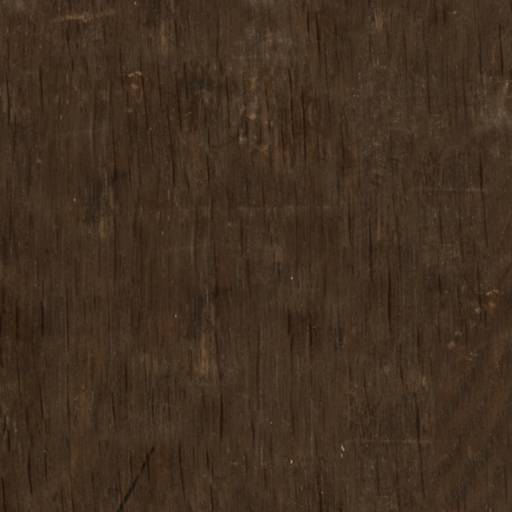
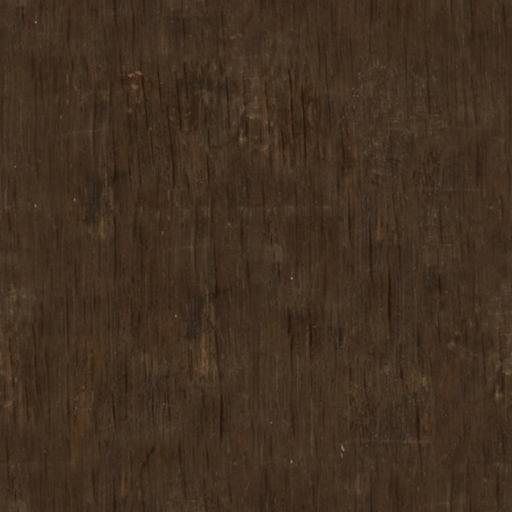
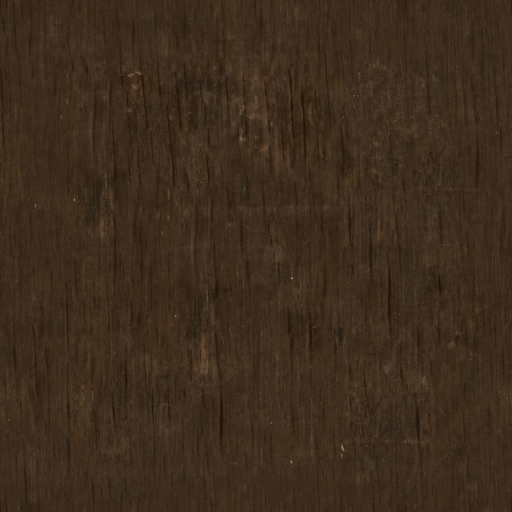
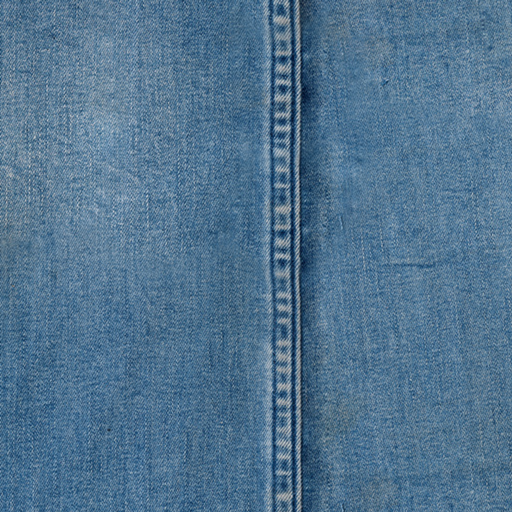
Weathered concrete source repaired into a clean 2 by 2 seamless texture repeat
Upload-first texture generator

Upload a texture image and repair the repeat

Texture mode smooths continuous surface detail and broad tonal changes while repairing the tile edges. Preview and 512px download are free; larger and batch exports use credits.

Preview the repeat before export so edge repairs are judged in the same context where the texture will be used.
Seamless output preview

Compare the source repeat with the processed repeat.

Upload a texture source and the processed seamless PNG will appear here.

before0.00
after0.00
improved0%
output0x0
modetexture

Keep the surface you already have

When a photo, scan, or render already has the right material character, seam repair is more direct than generating a replacement. The converter keeps the source recognizable while preparing it to repeat.

Start from an existing source

Use a material photo, surface scan, render, or AI image instead of describing a replacement from scratch.

Preserve surface character

Keep grain, pores, fibers, mineral variation, and other details that make the source useful.

Inspect the actual repeat

Compare the repaired tile as a 2×2 repeat and use the center guide to judge the joins.

Export a base-color PNG

Download a tileable image for material tests, mockups, games, Blender, or other 3D workflows.

Repair texture seams without recreating the source

The texture workflow uses stronger, smoother blending because continuous surfaces can tolerate gradual repair better than crisp motifs can.

Balance broad tonal shifts

Reduce low-frequency lighting changes that can make every repeated tile look like a separate block.

Move old borders inward

Shift the original edges into the interior so they can be repaired without becoming the final tile boundary.

Blend continuous detail

Use a wider repair area for grain, fibers, pores, noise, and other material structure.

Measure before and after

Compare seam scores and the repeated preview instead of judging quality from one square alone.

Workflow

From source image to tileable PNG

Use the converter as a focused repair step before bringing the texture into your material or art workflow.

1

Upload a surface image

Choose the flattest, most evenly lit version of the material you have.

2

Repair in Texture mode

The tool balances broad shifts, offsets the old borders, and blends the repaired joins.

3

Inspect the 2×2 repeat

Check the center cross, repeated features, and any remaining blocks or directional streaks.

4

Download and test

Export the base-color PNG and verify scale, mapping, and lighting in the destination tool.

What the texture generator changes

A browser-first repair pipeline for continuous material images, not a complete PBR material authoring suite.

Low-frequency balancing

Softens broad brightness changes before the image is offset and blended.

Toroidal offset repair

Moves opposite edges into the image interior for a repairable center seam.

Material-aware AI fill

Optional AI repair continues material grain, lighting, color, scale, and surface structure across the seam.

Repeat and seam guide

Switch between single and repeated views, then overlay the center joins for inspection.

Free 512px evaluation

Download a standard PNG for testing before using credits for larger or batch exports.

Base-color output

The converter repairs and exports a tileable image; it does not claim to create a complete PBR map set.

Starting without an image?

Generate a new texture from a prompt

Use the AI texture generator when you need a new material rather than repairing a photo, scan, render, or existing texture.

Material studio
Material studio
AI texture engine
10 credits ≈ $2.00 on Creator Annual
Available0≈ 0 renders
Texture inspection

Inspect the final seamless base texture before exporting PNGs or PBR maps.

Empty canvasSeam guide off

No texture loaded. Write a material prompt or choose a starter to begin.

Texture Outputs

Export the base texture first, then generate optional PBR maps from the same seamless tile.

Base Texture

Preview settings

modesingle
guideoff

Seamless texture generator FAQ

Practical guidance for repairing photos, scans, renders, and material images.


Make another texture seamless

Upload the surface you already have, repair the repeat, and check the joins before downloading.